183 Million Gmail Accounts Compromised: The Cybersecurity Alert of October 2025
Author
NEXT2i
Date Published
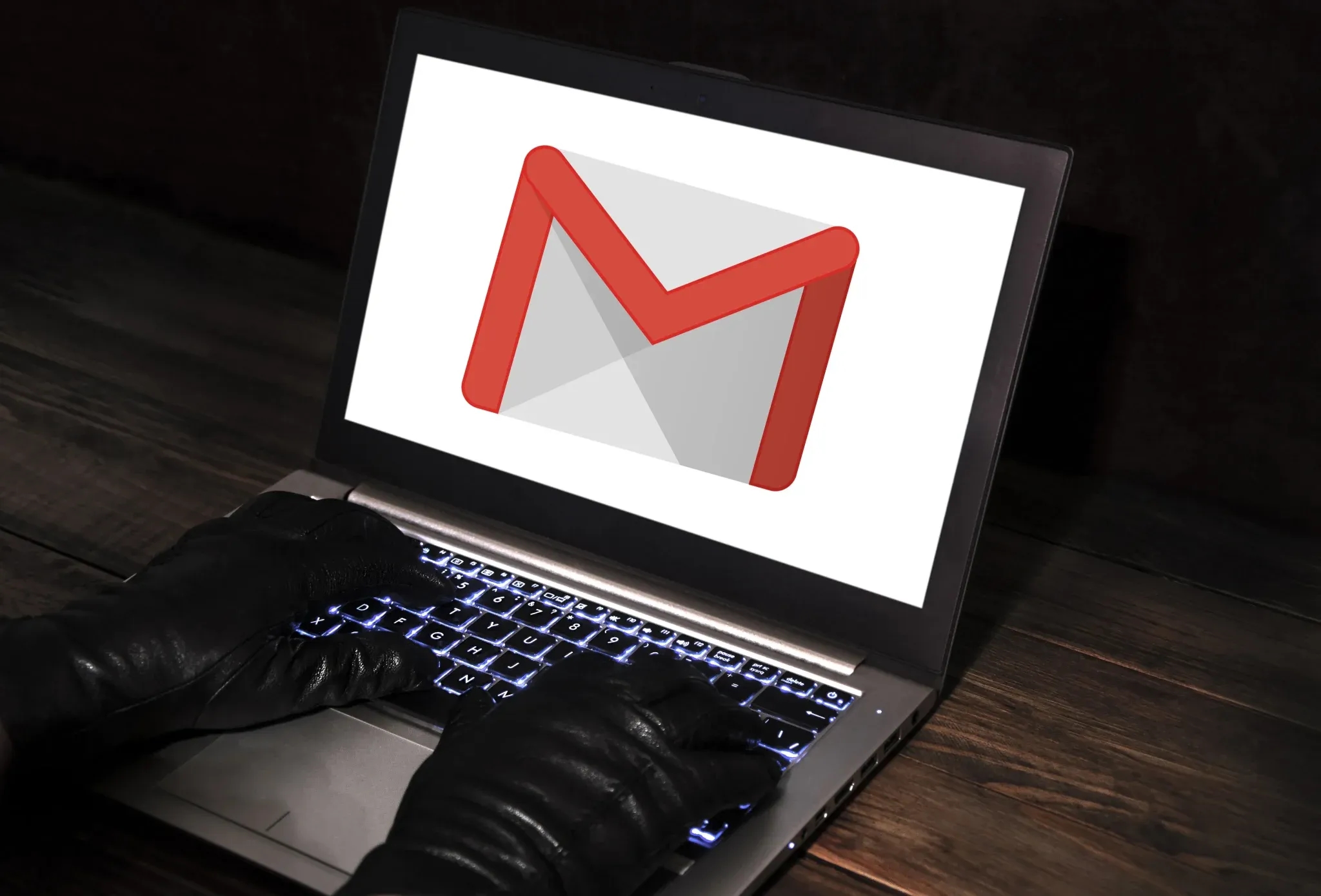
Massive Data Breach: 183 Million Accounts Exposed
Discovery Date: October 2025
In October 2025, the global cybersecurity community was shaken by the discovery of a colossal database containing 183 million compromised email credentials, a significant proportion of which concerns Gmail accounts. This leak, added to the Have I Been Pwned platform on October 21, 2025, represents one of the largest credential exposures of the year.
The numbers are staggering: 3.5 terabytes of stolen data, 23 billion connection records, and most worryingly, 16.4 million credentials that had never been exposed before. This discovery is not the result of a flaw in Google's servers, but rather the consequence of a sophisticated and prolonged malware infection campaign.
The Anatomy of the Attack: Infostealers in Action
Unlike traditional attacks that directly target corporate infrastructures, this massive compromise stems from a new generation of malware called "infostealers." Cybersecurity researchers have identified notorious variants such as RedLine, Vidar, and Raccoon as the primary vectors of infection.
The Modus Operandi:These malware programs operate insidiously:
Silent Infiltration: Spread via phishing emails, seemingly legitimate software downloads, or compromised browser extensions, they install themselves without raising suspicion.
Passive Collection: Once active, these programs methodically extract credentials stored in browsers, session cookies, authentication tokens, and even autofill data.
Massive Exfiltration: Collected data is transmitted to servers controlled by cybercriminals, with peaks reaching 600 million stolen credentials in a single day, according to observations by the firm Synthient.
Monetization: This information is then sold on the dark web, shared on underground forums and Telegram channels, creating a flourishing black market.
The Explosion of Infostealers: An Alarming Trend
The data is unequivocal: an 800% increase in stolen credentials was recorded during the first half of 2025. This explosion reflects the growing professionalization of cybercrime and the industrialization of attacks on a large scale.
Troy Hunt, cybersecurity expert and creator of Have I Been Pwned, confirmed the authenticity of the leak after a Gmail user verified that the leaked password actually matched their active account. This validation highlights the recent and current nature of the threat.
Concrete Risks for Users and Enterprises
For IndividualsThe compromise of a Gmail account is not limited to email access. It potentially opens doors to:
Access to the Google ecosystem (Drive, Photos, Calendar, and all connected services).
Password resets (Gmail often serves as the recovery address for other services).
Identity theft (exploitation of personal and professional information).
Financial attacks (access to banking services linked to the email account).
For OrganizationsThe implications for businesses are even more critical:
Credential Stuffing: Reuse of stolen credentials across multiple platforms to compromise corporate systems.
Access to Professional Tools: Google Workspace, cloud dashboards, management systems.
Industrial Espionage: Access to confidential communications and strategic data.
Bypassing Authentication: Some infostealer logs contain session cookies allowing attackers to bypass even SMS-based two-factor authentication.
The Multi-Layer Defense Strategy
Facing this evolving threat, a defense-in-depth approach is the only viable response.
Immediate Actions
Check Exposure: Immediately consult haveibeenpwned.com to check if your credentials are in the compromised database.
Reset Credentials: If your information appears in the leak, immediately change your Gmail password and any other accounts sharing the same password.
Structural Protection Measures
Multi-Factor Authentication (MFA): Microsoft analysis reveals that MFA could have prevented 99.9% of account compromises. Prioritize authenticator apps (Google/Microsoft Authenticator), physical security keys (YubiKey), or Passkeys.
Password Hygiene: Absolute uniqueness (one password per service), complexity, length (12+ characters), and unpredictability are essential.
Password Managers: Tools like Bitwarden, 1Password, or Dashlane are indispensable for generating and storing robust passwords.
Vigilance Against Infection Vectors: Be wary of phishing emails, unofficial downloads, and unverified browser extensions. Keep systems updated.
Google is Not Responsible, But...
It is crucial to understand that Google was not directly hacked. Gmail servers remain secure. However, this technical distinction offers little comfort to the millions of users whose accounts are now exposed via client-side malware.
Toward a Passwordless Future?
The cybersecurity industry is converging towards a consensus: traditional passwords have reached their limits. Initiatives around Passkeys, based on cryptographic standards (FIDO2, WebAuthn), represent the future of authentication: offering resistance to phishing, cryptographic uniqueness, and a simplified user experience.
Conclusion: Time for Action
This massive leak of 183 million credentials is a wake-up call. Digital security is no longer a technical issue reserved for experts but a fundamental skill of digital citizenship.The actions to take today: Check your exposure, enable MFA, adopt a password manager, and stay vigilant. The question is no longer if you will be targeted, but when. Your preparation will make all the difference.